Youth Voice Starts With Access
- voice, speaking, public speaking, lifeskills, conflict, future, experience, mentors, relationships, youth
- Education, Resources for Teens and Young Adults
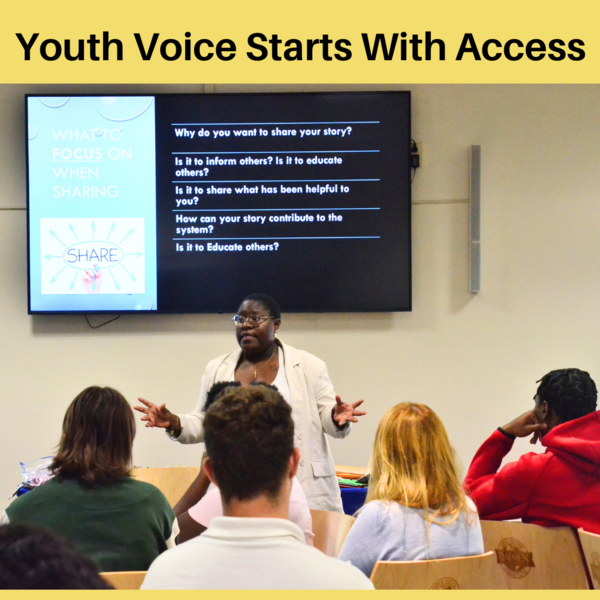
A Youth Speak Out Event is not just about youth being brave enough to use their voices. It is also about whether the adults around them make sure they know they have a place to use it. While my experience was filled with support, I eventually realized that even the most involved youth can miss out on key opportunities if they aren't clearly defined or shared.
Speak Outs are annual youth-led gatherings across New York State where young people in foster care, ages 14 to 21, and those with lived experience come together to speak openly about the system. They are a space to share what is working and what is not, and to voice ideas for positive change for future generations. It is more than storytelling. It is advocacy. Youth talk about real issues like mental health, placement stability, sibling connections, safety, court, relationships, and whether they feel heard by the adults making decisions about their lives.
For one day, youth get to take up space, stand their ground, and say not only what they ask for, but what they demand to see changed. And if that is not empowering, I don't know what is. However, not everyone knows about these events.
Fun fact: I never attended a Speak Out as a foster kid, even though I was in the system for six years. I was very active during my time in care; I did the Family Court - Youth In Court orientation and have a certificate to prove it, and I completed every Independent Living skills course. My dedicated caseworker would drive from where I lived in Chautauqua County to Cuba, a whole 1 hour and 25 minutes both ways, just so I could participate in programs and complete Independent Living skills courses. I remain grateful for the time, effort, and consistency that adults invested in me. People sometimes express surprise at my credit score, résumé, and level of preparation, but those outcomes were not accidental. They reflect the guidance, consistency, and practical life skills I received between the ages of 13 and 16. I share this not to highlight my accomplishments, but to illustrate what is possible when young people have consistent support and meaningful access to opportunities. I had motivation, but I also had adults who made sure opportunities were available to me. I had spent six years in foster care. I completed every Independent Living course, participated in Youth in Court, and my caseworker went above and beyond to make sure I never missed a program. Yet somehow, I had never heard of Speak Out. So when I started my internship in the summer of 2024 and found out I would be helping my supervisor plan a Speak Out, I felt a lot of emotions. I felt joy and excitement because I knew how powerful that space could be. I felt anticipation and curiosity because I wanted to see how youth used their voices in that setting. But I also felt something bittersweet.
I was happy to help create that opportunity for other youth, but I also realized I had never been given the chance to experience it myself. That feeling was not jealousy in a negative way. It was more like grief for an opportunity I did not know I had missed. Not because I wished someone else's experience had been mine, but because I realized I had missed an opportunity I never even knew existed. I had been active in care. I had shown up. I had participated. I had taken advantage of the programs offered to me. And still, Speak Outs never made it onto my radar. If I missed it, despite being an active, engaged foster youth, how many other kids are missing out, too? That is where the real question begins for me. If Speak Outs are meant to give youth in care a voice, how do we make sure every youth knows about them? How do we make sure youth are not only invited, but prepared, encouraged, transported, and supported enough to attend? Because an opportunity is only truly an opportunity if people know about it and can access it. Speak Outs should become part of regular conversations between youth and the adults who support them. They should not live in a single email, one flyer on a bulletin board, or a last-minute announcement. Youth deserve to know: What is a Speak Out?
Agencies can also make these events more visible by sharing information consistently through newsletters, social media, independent living classes, foster parent meetings, group homes, Youth Advisory Boards, and conversations with caseworkers. Repetition matters. One announcement is easy to miss. Multiple conversations make it clear that this opportunity is important.
Preparation matters too. Walking into a room filled with unfamiliar people and discussing foster care can feel intimidating. Many youth worry they will be expected to tell their entire story or relive painful experiences. They should know that they don't have to. Preparation resources, orientation sessions, short videos from previous participants, and "What to Expect" guides can help reduce anxiety and make the event feel more approachable. One of the most valuable resources, however, is peer mentorship. Adults can explain what a Speak Out is. Peers can explain what it feels like. A former participant can honestly say, "I was nervous too." They can reassure youth that they do not need the perfect speech or the most dramatic story. Peer mentors also help agencies improve. They notice barriers adults may overlook, whether information is shared too late, transportation is unclear, or youth need more emotional preparation before attending. Their feedback can help make future Speak Outs even more welcoming and accessible.
Transportation is another important piece. Some youth want to attend but simply cannot get there. That should never be the reason they miss an opportunity to be heard. I often think about my own caseworker, who drove long distances so I could participate in programs that helped prepare me for adulthood. Those rides conveyed something far more than transportation. They told me that my future mattered. The responsibility for youth voice cannot rest solely on youth. Adults have responsibilities too. Foster parents, kinship caregivers, residential staff, caseworkers, attorneys, advocates, mentors, school social workers, and agencies all play a role in making sure young people know these opportunities exist and feel supported enough to attend.
Youth voice should never depend on luck, geography, transportation, or whether one adult happened to mention an event. Because youth voice matters, access has to be intentional. Youth voice doesn't begin when someone picks up a microphone — it begins when every young person knows they have a seat in the room.
About the Author: